Defining a Working Ranch
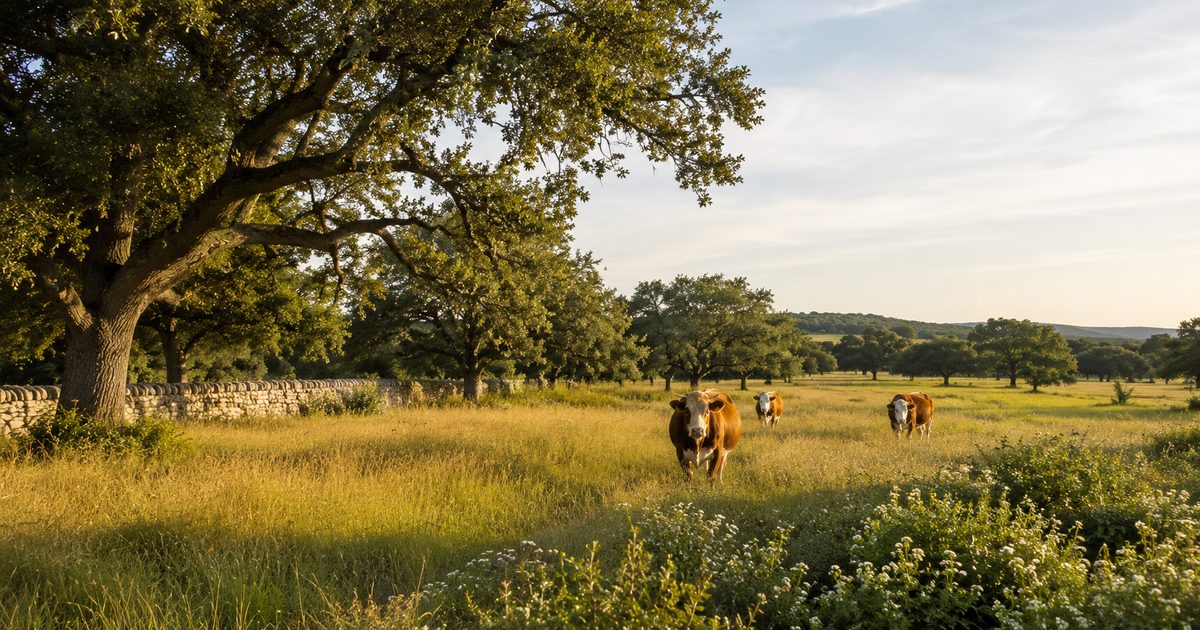
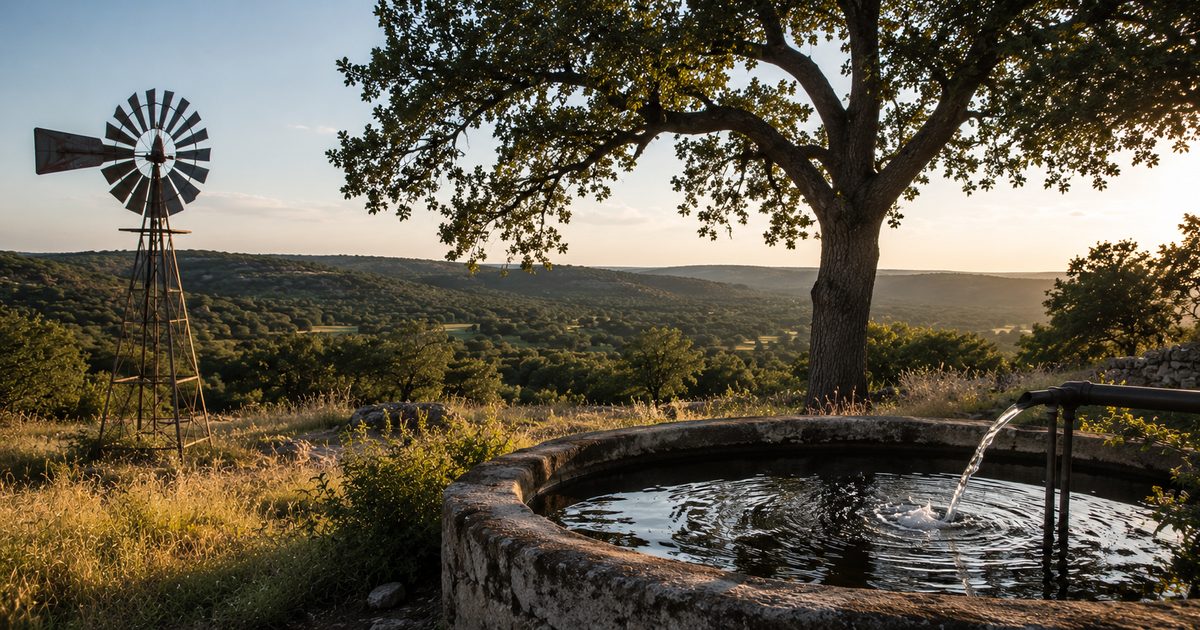
In the Texas Hill Country context, a "working ranch" typically means a property where agricultural production — cattle, goats, sheep, or commercial hay — is the primary land use and a genuine economic activity. Working ranches are characterized by permanent livestock infrastructure (stock tanks, fencing, corrals, handling facilities), active grazing management, and agricultural income that meaningfully offsets operating costs.
Working ranches in Blanco County almost universally carry agricultural special valuation, which can reduce the property tax bill by 80–95% compared to market value appraisal. This tax treatment is a significant economic feature of working ranch ownership.
Defining Recreational Land
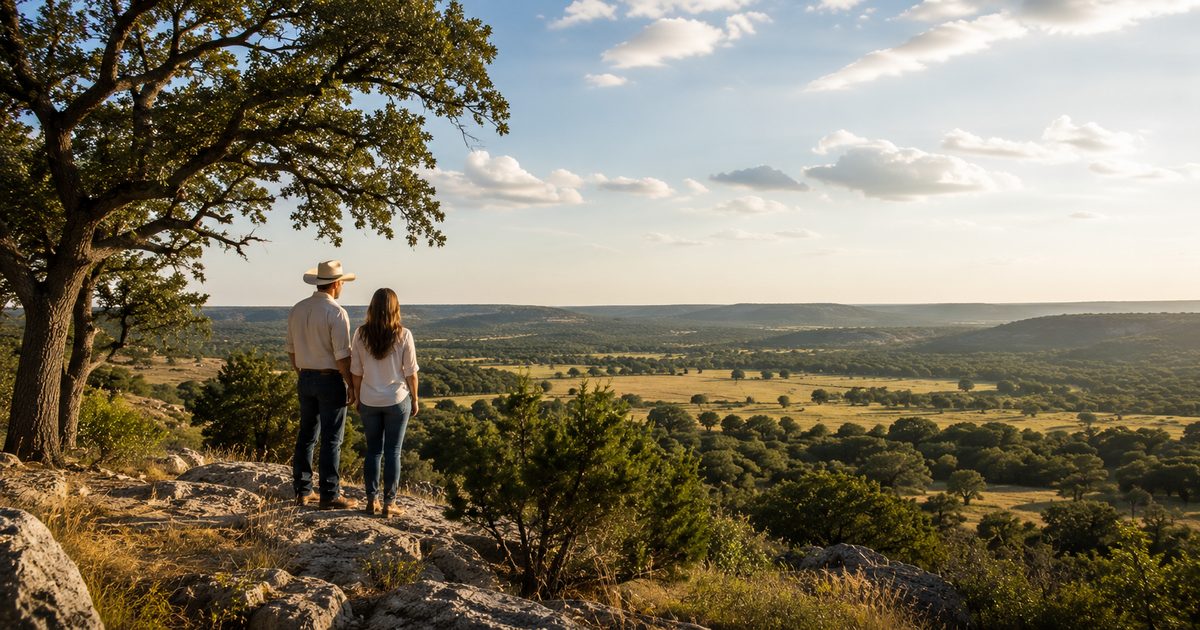
Recreational land in the Hill Country is purchased primarily for non-agricultural purposes: weekend and vacation use, hunting, fishing, wildlife observation, hiking, or simply holding a scenic piece of Texas. Recreational buyers are typically not operating the land as a business — they are buying lifestyle and amenity value.
This is the fastest-growing buyer category in the Hill Country land market. Prices for recreational land have risen dramatically over the past decade as buyers from Austin, San Antonio, and Houston have competed for scenic acreage within a few hours of major metropolitan areas.
The Tax Difference
The most significant practical difference between a working ranch and purely recreational land is property taxes. A 200-acre Blanco County property at $2,000,000 market value:
- Under agricultural special valuation: taxable value roughly $100,000–$150,000; annual taxes roughly $1,500–$3,000
- At full market value (no ag valuation): annual taxes roughly $30,000–$40,000
This $28,000–$37,000 annual difference is real and significant. For buyers purchasing recreational land, maintaining a qualifying agricultural use — even a modest cattle lease, hay production, or wildlife management plan — to preserve the agricultural valuation is often economically rational even if the actual agricultural activity is not their primary interest in the property.
Why Most Buyers Blend Both
The most common Hill Country land buyer today is neither purely a working rancher nor purely a recreational user. They are buying for lifestyle, recreation, and long-term investment — but they understand the value of maintaining the agricultural special valuation, so they structure a lease arrangement with a local rancher or implement a wildlife management plan that keeps them qualified.