Hill Country Land Guide
What to know before you buy in Blanco County and the Texas Hill Country.
The Basics
Most buyers come to Blanco County from cities. They understand square footage. They don't always understand what makes a 50-acre tract fundamentally different from the one next door — even at the same price per acre.
This guide covers the things Joe talks about with every buyer before they start their search. It's not exhaustive — every piece of land is different — but it'll help you ask better questions and make a more informed decision.
Topic 01
In the Hill Country, water is everything. It determines livestock capacity, irrigation potential, and in some cases whether a property is usable at all. Before you fall in love with a piece of land, understand its water situation.
Wells: What is the depth? What is the static water level? How many gallons per minute does it produce? Is there a well log on record with the TCEQ?
Springs and creeks: Seasonal or year-round? Surface water rights in Texas are complex — owning land along a creek doesn't automatically mean you own the water in it.
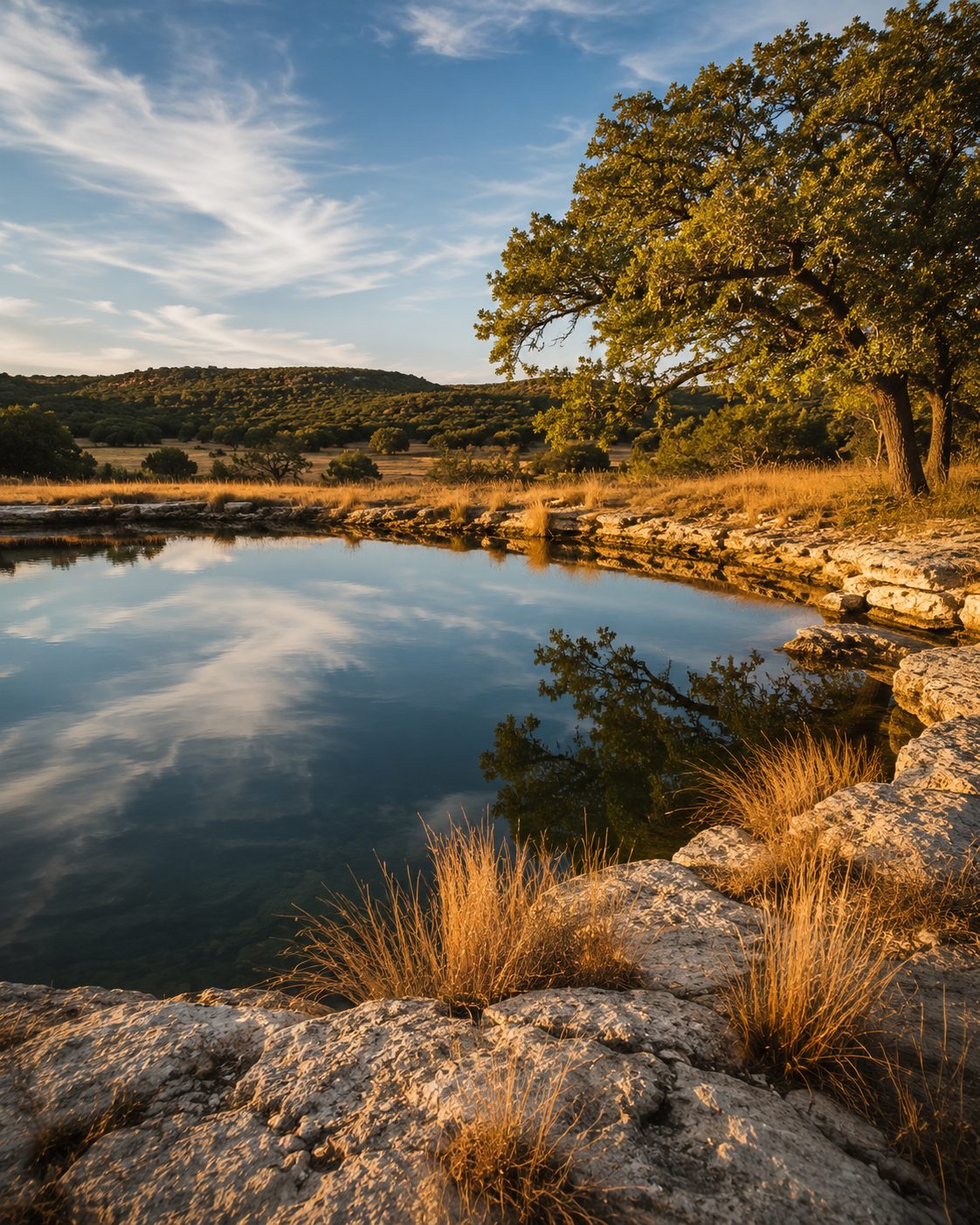
Stock tanks: Are they natural or constructed? Does the property have sufficient drainage to keep them full? A dry tank in summer is not unusual — a dry tank in January tells you something different.
Topic 02
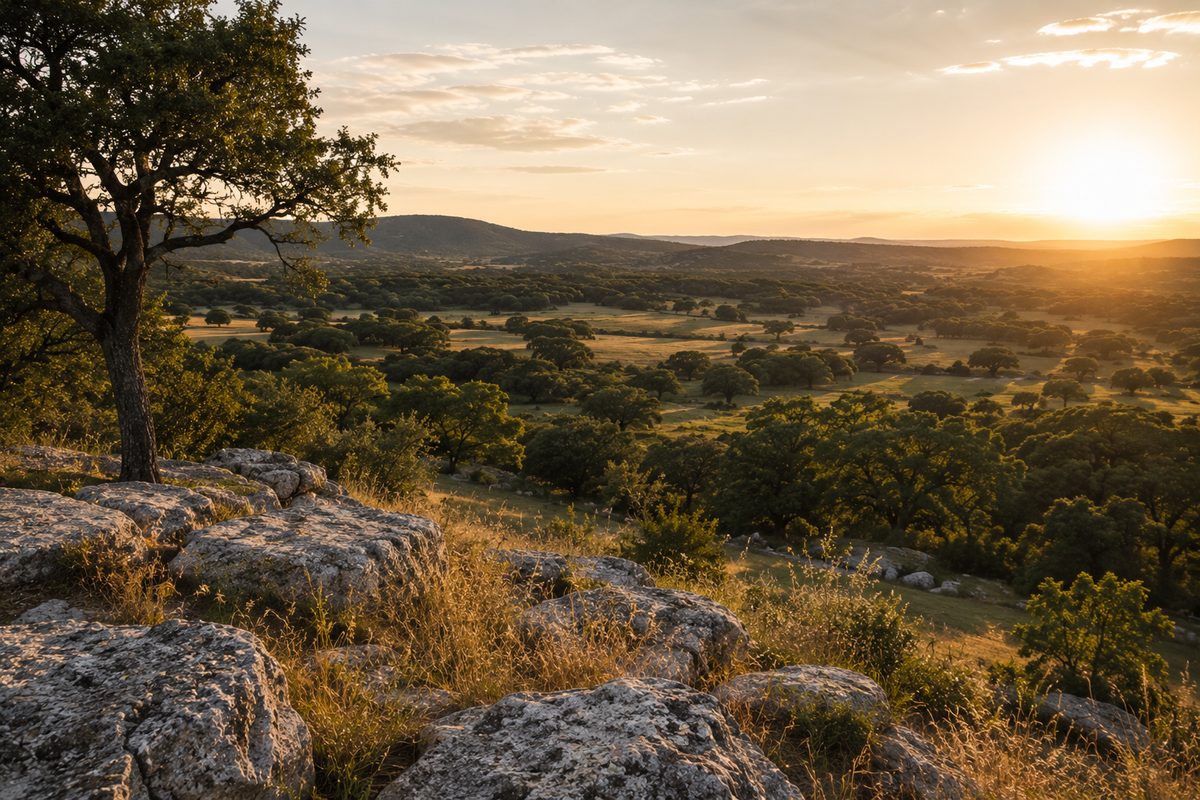
Hill Country terrain is limestone-based — beautiful, but variable. Cedar-covered draws, rocky ridgelines, and flat open pasture can all exist on the same 100 acres. The mix matters depending on what you intend to do with the land.
Legal access: Does the property have deeded road access, or are you relying on a handshake easement with a neighbor? This is one of the most common issues Joe sees buyers overlook.
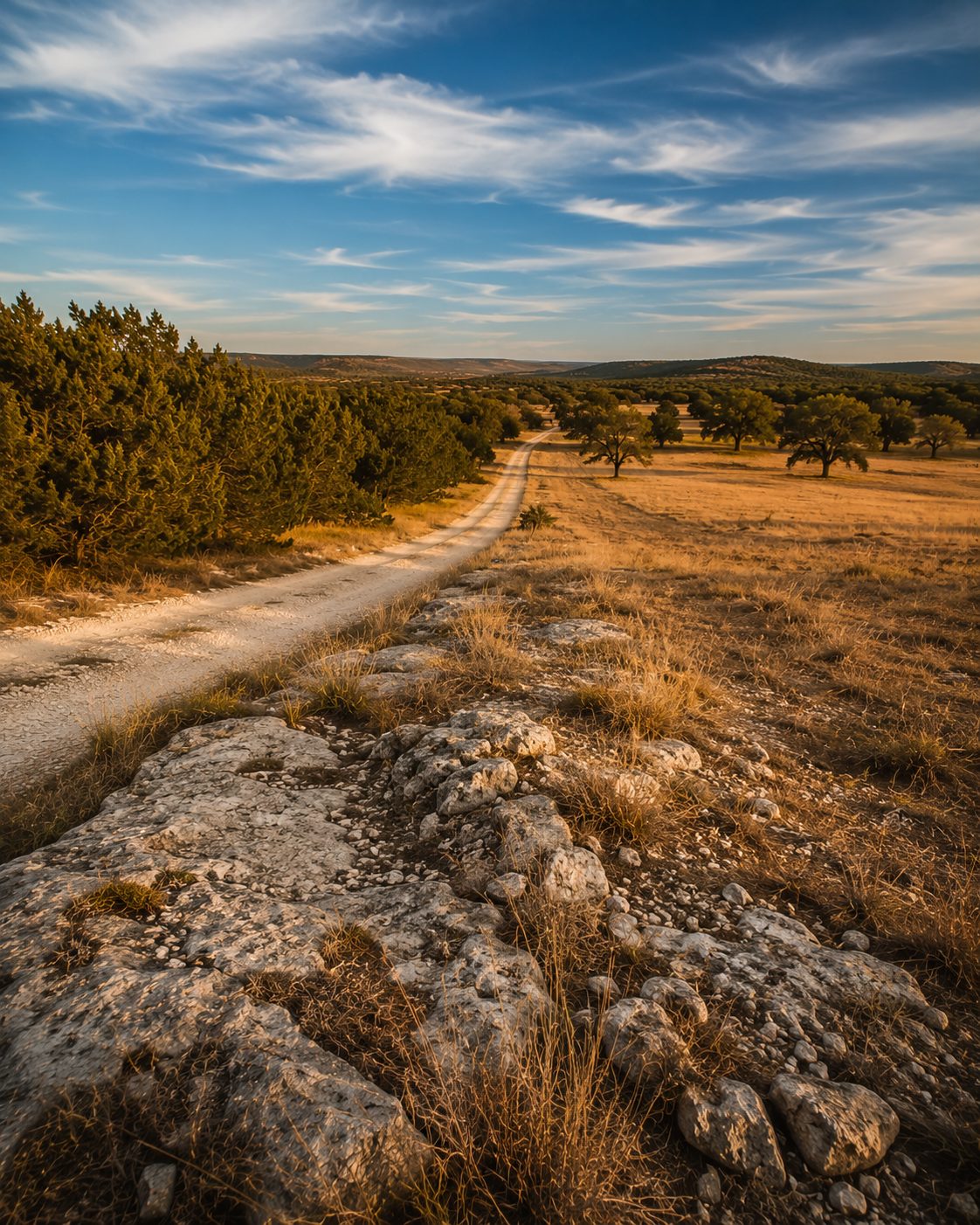
Road quality: Caliche roads are standard in rural Blanco County. Some are well-maintained county roads; others are private and entirely your responsibility. Ask who maintains the road before you close.
Cedar: Heavy cedar encroachment reduces carrying capacity for livestock and competes with native grasses. Cedar clearing is expensive but common, and a cleared ranch can look very different from an unimproved one.
Topic 03
Texas does not have a state income tax, but property taxes can be significant — especially on larger tracts at current market values. Agricultural and wildlife exemptions change the calculation dramatically by taxing land on its productive value rather than its market value.
An agricultural exemption (technically a "special valuation") means your land is appraised for tax purposes based on what it could produce agriculturally — not what someone would pay for it. This can reduce the taxable value by 80–95% on qualifying land.
Livestock grazing, hay production, beekeeping, orchard operations, and wildlife management are common qualifying uses in Blanco County. The land must have been used for agriculture for at least five of the preceding seven years.
A wildlife management exemption allows land that previously qualified for ag valuation to maintain that valuation by actively managing for native wildlife — through practices like habitat control, supplemental feeding, predator management, and census counts. It does not require hunting.
If the agricultural use is discontinued, the property is subject to a "rollback tax" — the difference between taxes paid under the exemption and what would have been owed at market value for the past five years, plus interest. This is a meaningful liability to understand before you buy.
The exemption doesn't automatically transfer. The new owner must continue qualifying use and apply with the Blanco County Appraisal District. Joe walks buyers through this process as part of every land transaction.
Topic 04
Before touring properties, get clear on acreage, budget, intended use, water requirements, and location preferences. Joe will ask specific questions to understand what actually matters to you — not just what sounds good on paper.
Joe walks properties with buyers. He's not going to hand you a brochure and meet you at the gate. Understanding a piece of land requires being on it — in multiple spots, in different conditions.
Survey review, title commitment, water well records, easements, exemption status, deed restrictions, and mineral rights. Land due diligence is more complex than a residential transaction. Joe coordinates each piece and flags what matters.
Land pricing in Blanco County is driven by comparables, water, access, and improvements. Joe brings current market knowledge to every negotiation — not just a willingness to submit an offer.
Texas land transactions close through a title company. Joe stays involved through the closing table and is available after the sale with any questions about the property or next steps.