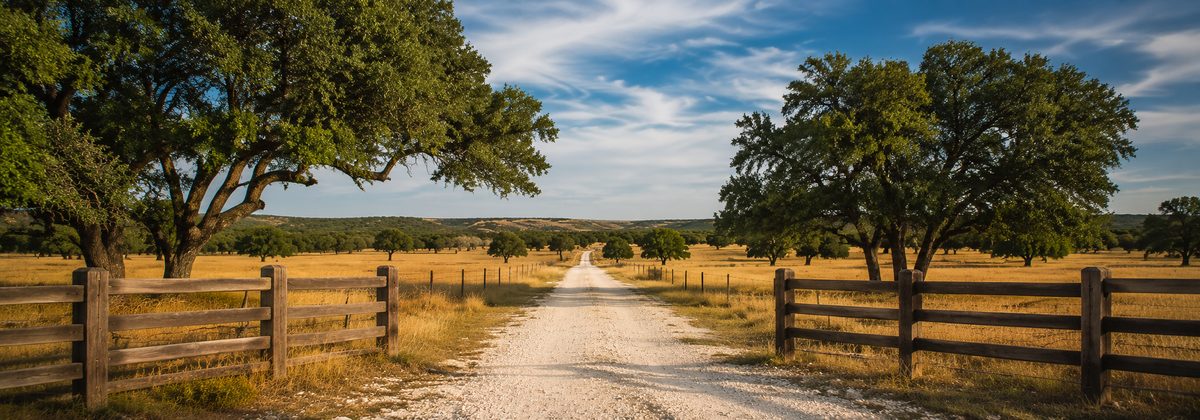
Gillespie County Texas Hill Country ranch land landscape

Section 01

Why Buy a Ranch in Gillespie County?

Gillespie County offers everything that makes the Texas Hill Country desirable — plus one thing no other county can match: Fredericksburg and its world-class tourism economy. Here is why buyers continue to choose it.

Texas Triangle Access

Fredericksburg sits within 90 minutes of both Austin and San Antonio — and four hours from Dallas. It is the most centrally located Hill Country ranch market for buyers from multiple major metros, not just one.

Wine Country Economy

Gillespie County is the heart of the Texas Hill Country wine region — the second-largest wine producing region in the US by winery count. This tourism economy drives demand for ranch land, short-term rentals, and agritourism development that buyers in neighboring counties cannot access.

Investment Potential

Land values in Gillespie County have appreciated consistently over the past decade, supported by tourism growth, limited supply, and multi-market demand. Properties near Fredericksburg have additional income potential through STR and agritourism.

Live Water

The Pedernales River runs through the eastern county including Stonewall — home to the LBJ Ranch. Grape Creek, Baron Creek, and several spring-fed tributaries provide additional live water opportunities across the county.

Hill Country Lifestyle

Hunting, fishing, equestrian use, hiking, and open space — plus Fredericksburg's restaurants, galleries, boutiques, and Wildseed Farms. Gillespie County offers the most complete Hill Country lifestyle package of any county in the region.

Tax Advantages

Agricultural and wildlife exemptions reduce taxable value by 80–95% on qualifying land. Gillespie County has a well-established process for both ag and wildlife valuation, and beekeeping has become a popular qualifying use for smaller tracts near Fredericksburg.

Section 02

Gillespie County Ranch Market Overview

A snapshot of the Gillespie County ranch market to help you understand where values stand and what drives price differences between properties.

MetricDetails
Price Range Per Acre$8,500 – $22,000+ depending on location, water, and proximity to Fredericksburg
Live Water PremiumPedernales River frontage and spring-fed creek properties command 30–60% premium
Fredericksburg Proximity PremiumProperties within 15 miles of Fredericksburg carry additional tourism/STR value
Common Ranch Sizes10–50 acres (lifestyle/STR), 50–200 acres (hunting/ranching), 200–1,000+ acres (investment/legacy)
County SeatFredericksburg
Major TownsFredericksburg, Stonewall, Harper, Willow City, Doss
Primary UsesRecreational, Hunting, Vineyard/Agritourism, Horse, Investment, STR
Distance to Austin~70 miles west (75–90 min)
Distance to San Antonio~75 miles north (80–90 min)
Distance to Dallas~270 miles south (approx. 4 hours)
Ag ExemptionLivestock, hay, beekeeping (popular near Fredericksburg), orchard, wildlife management
Primary Water SourceTrinity Aquifer (wells); Pedernales River, Grape Creek (surface)
Primary Game SpeciesWhitetail deer, wild turkey, feral hog, dove, axis deer (exotics common)
Typical Closing Timeline30–60 days from executed contract

Section 03

Best Areas to Buy Ranch Land in Gillespie County

Gillespie County has five distinct sub-markets. Each has its own character, price dynamics, and buyer profile.

Fredericksburg

County Seat · Wine Country · Tourism Hub

Fredericksburg is the commercial, cultural, and tourism anchor of Gillespie County. Wine Road 290 runs east from town through some of Texas's most productive vineyard land. The city itself offers world-class dining, lodging, and retail that draws millions of visitors annually. Ranch properties within 15 miles of the square have the highest values in the county and the strongest STR potential.

Strengths: Tourism economy, wine country proximity, services and amenities, STR income potential, strong resale market.

Ideal Buyer: Lifestyle buyer who wants the full Hill Country experience, STR investor, vineyard developer, buyer with family or business ties to multiple Texas metros.

Stonewall

Pedernales River · Live Water · Legacy

Stonewall sits along the Pedernales River corridor east of Fredericksburg and is home to the LBJ Ranch — Lyndon Johnson's beloved Hill Country home. The area combines live water access with an unhurried agricultural character that attracts buyers seeking privacy and legacy land. The Pedernales here is wide and accessible, making it one of the most desirable river frontage markets in the county.

Strengths: Pedernales River frontage, large ranch tracts, historical character, strong long-term value.

Ideal Buyer: Legacy buyer, live water buyer, working cattle or horse buyer, buyer with generational land ownership goals.

Harper

Western County · Working Ranch Country

Harper anchors the western portion of Gillespie County and has a distinctly agricultural character relative to the Fredericksburg area. Ranches here tend to be larger, more working-ranch in nature, and priced more competitively per acre. The terrain is open limestone pasture with cedar draws — classic Hill Country working land.

Strengths: Larger tracts, competitive pricing, working ranch infrastructure, agricultural character.

Ideal Buyer: Working cattle or goat operation buyer, investment buyer seeking larger acreage at lower per-acre cost, buyer who prioritizes land over lifestyle proximity.

Willow City

Scenic · Elevated · Dramatic Terrain

Willow City is famous for its wildflower season — the Willow City Loop is one of the most photographed bluebonnet drives in Texas. The area offers elevated limestone terrain, dramatic Hill Country views, and a quiet character far removed from Fredericksburg's tourist traffic. Land is limited in supply and holds value well.

Strengths: Scenic beauty, privacy, limited supply, strong long-term value, proximity to Enchanted Rock.

Ideal Buyer: Privacy-focused buyer, legacy buyer, buyer seeking the most scenic and remote character in the county without giving up Hill Country identity.

Doss

Rural · Northwest County · Value

Doss sits in the far northwestern reaches of Gillespie County and is the most rural and least-developed sub-market in the county. Properties here are larger working ranch operations at the most competitive price points in the county. The terrain is open pasture with cedar breaks and limestone outcroppings typical of the western Hill Country.

Strengths: Most competitive pricing in the county, larger tracts, remote character, working ranch infrastructure.

Ideal Buyer: Working ranch buyer, investment buyer seeking large acreage, buyer who wants true rural Hill Country character at a lower entry point.

Section 04

Types of Ranches in Gillespie County

Gillespie County's wine economy and tourism base create a broader range of ranch types than most Hill Country counties. Knowing which category fits your goals focuses the search.

Hunting Ranches

Configured for game production — whitetail, turkey, hog, dove, and in many cases axis deer or blackbuck antelope. Gillespie County has a strong exotic game ranch culture, particularly on larger tracts in the Harper and Doss sub-markets. Features include established blinds, feeders, wildlife water, and high-fence infrastructure on the larger operations.

Vineyard Ranches

Land configured or suitable for wine grape production along the US-290 Wine Road 290 corridor or in similar limestone-soil settings across the county. Texas wine grapes require well-draining soils, adequate water, and frost-risk management. Vineyard development is capital-intensive but can command premium land values and agritourism income.

Live Water Ranches

Defined by frontage on the Pedernales River, Grape Creek, Baron Creek, or a year-round spring. Live water is the most coveted and competitive category in Gillespie County. These properties move quickly and carry a significant premium over comparable dry land tracts.

Recreational Ranches

Lifestyle-focused properties for weekend and family use — a cabin or main residence, a stock tank for fishing, managed grounds for privacy. Many recreational ranches in Gillespie County are within 20 minutes of Fredericksburg's amenities, making them highly functional as primary or secondary residences.

Luxury Ranches

Fully improved estates combining high-end residential construction with working ranch infrastructure — main residence, guest quarters, pool, barn complex. Gillespie County has one of the strongest luxury ranch markets in the Hill Country, driven by out-of-state buyers and the Fredericksburg lifestyle economy.

Investment Ranches

Acquired primarily for long-term land appreciation or income production — STR rental income, hunting lease revenue, or future vineyard development. Buyers in this category prioritize proximity to growth drivers, ag exemption status, and land characteristics that support multiple income strategies.

Gillespie County Texas ranch road through Hill Country pasture

Section 05

Gillespie County Ranch FAQ

Answers to the most common questions buyers ask about Gillespie County ranch real estate.

Is Gillespie County a good place to buy a ranch?

Yes. Gillespie County is one of the premier ranch markets in the Texas Hill Country. Fredericksburg anchors a thriving tourism and wine economy that drives strong multi-market demand. The county offers live water access, established ag exemption infrastructure, diverse ranch types, and consistent land value appreciation from the Austin–San Antonio–Dallas buyer pool.

What is the average price per acre for ranch land in Gillespie County?

Ranch land generally ranges from $8,500 to $22,000+ per acre depending on proximity to Fredericksburg, water features, improvements, and road access. Properties within 15 miles of Fredericksburg carry a premium due to the tourism economy and short-term rental potential. Live water tracts along the Pedernales River command a further premium.

How does the Fredericksburg wine industry affect ranch real estate?

Fredericksburg is the center of the Texas Hill Country wine region — the second-largest in the US by number of wineries. This creates a demand driver for ranch land that does not exist in neighboring counties: buyers interested in vineyard development, agritourism, short-term rental income, and event-venue potential. Properties near Wine Road 290 may carry values reflecting this income potential.

Can I start a vineyard or winery on my Gillespie County ranch?

Yes, subject to soil suitability and water availability. Gillespie County has the limestone-based, well-draining soils that Texas wine grapes prefer. However, vineyard development requires substantial water, careful site selection, and significant capital investment. Always assess soil type, well capacity, and irrigation infrastructure before purchasing land with vineyard development in mind.

What are the best areas to buy ranch land in Gillespie County?

Fredericksburg and its immediate surroundings offer the most amenities and tourism-driven value. Stonewall along the Pedernales River is known for live water access and legacy ranch character. Harper to the west is more agricultural with larger working ranches at lower per-acre prices. Willow City offers dramatic terrain and privacy. Doss in the northwest is the most rural and least expensive sub-market.

Are water wells common in Gillespie County?

Yes. Wells are the primary water source for most rural properties, drawing from the Trinity Aquifer. Depth, static water level, and yield vary by location. Always request the TCEQ well log and conduct an independent well test during the due diligence period before closing.

What rivers or creeks run through Gillespie County?

The Pedernales River is the most significant live water feature, running through the eastern and central county including the Stonewall area. Grape Creek, Baron Creek, and seasonal tributaries of the Pedernales provide additional water features. Live water frontage commands a significant premium throughout the county.

Can I hunt on my Gillespie County property?

Yes. Hunting on private land in Texas is legal and common in Gillespie County. Whitetail deer, wild turkey, feral hog, and dove are the primary game species. Exotic game — axis deer, blackbuck antelope, aoudad — are common on larger tracts. A wildlife management exemption can maintain ag valuation through active wildlife practices.

How much land do I need for an ag exemption in Gillespie County?

The Gillespie County Appraisal District evaluates each application based on actual agricultural use over the previous five of seven years. There is no fixed minimum acreage, but most successful applications involve at least 10 acres with documented, active use. Beekeeping has become a popular qualifying use for smaller tracts near Fredericksburg.

What taxes apply to ranch land in Gillespie County?

Property taxes are assessed by the Gillespie County Appraisal District. With an active ag exemption, land is taxed on productive value rather than market value — reducing the assessed value by 80–95%. Without an exemption, taxes are assessed at full market value, which can be substantial given current prices near Fredericksburg.

What is a wildlife exemption and how does it work in Gillespie County?

A wildlife management exemption allows land previously qualified for ag valuation to maintain that status through active wildlife practices — habitat improvement, supplemental feeding, predator management, census counts. The land does not need to be leased for hunting. It is a popular low-maintenance option for landowners who want to hold low property taxes without running livestock.

How far is Gillespie County from major Texas cities?

Fredericksburg is approximately 70 miles west of Austin (75–90 min), 75 miles north of San Antonio (80–90 min), and 270 miles south of Dallas (about 4 hours). This positioning at the center of the Texas triangle makes Fredericksburg accessible from any major Texas metro — a key driver of multi-market demand.

Is Gillespie County growing in population and land value?

Yes. Gillespie County has experienced strong growth driven by tourism, remote workers, retirees, and buyers from Dallas, Houston, Austin, and San Antonio. The wine and agritourism economy has accelerated demand for land near Fredericksburg. Land values have appreciated consistently and limited supply continues to support prices.

What is the best ranch size for a first-time buyer in Gillespie County?

For a weekend retreat or recreational use, 20–75 acres offers a practical balance. For ag exemption qualification through grazing or hay, 50–100 acres is more workable. For vineyard development, at least 5–15 acres of plantable terrain with adequate water is needed. Hunting-focused buyers look at 100+ acre tracts with established wildlife infrastructure.

Do Gillespie County ranches come with mineral rights?

Not always. In Texas the mineral and surface estates are legally separate. Many Gillespie County properties have partially or fully severed mineral rights from historical transactions. The county has limited oil and gas production, but mineral rights remain a standard due diligence item — always review the title commitment before closing.

Can I use a Gillespie County ranch as a short-term rental?

Potentially, depending on county regulations and ag exemption status. Gillespie County has a strong STR market driven by Fredericksburg tourism. However, STR use can affect ag exemption qualification if it replaces agricultural use as the primary purpose of the land. Consult a local attorney and the appraisal district before pursuing STR income on an exempt property.

Are there deed restrictions on ranch land in Gillespie County?

Some rural subdivisions near Fredericksburg have deed restrictions limiting use or further subdivision. Most unincorporated rural land in the county has no restrictions. Your title commitment will identify any recorded restrictions. Properties marketed for STR or vineyard use should be reviewed carefully for restrictions on commercial activity.

How long does it take to close on a ranch in Gillespie County?

Most transactions close in 30–60 days from executed contract. The Fredericksburg market is active and competitive — well-priced properties, particularly live water and close-in tracts, move quickly. Deals involving mineral title searches, survey disputes, or lender financing can take 60–90 days.

What is cedar clearing and why does it matter?

Cedar encroachment is common on Gillespie County land and reduces carrying capacity for livestock, competes with native grasses, and can reduce aquifer recharge. Clearing typically costs $300–$600 per acre depending on density. A heavily cedar-encroached property may appear underpriced but require significant work before it performs productively.

How do I find the right ranch broker in Gillespie County?

Look for a broker with real Hill Country ranch transaction experience — not a residential agent who occasionally shows land. The right broker walks properties with you, understands ag exemptions, mineral rights, water well evaluation, and the specific sub-markets within the county. Joe Quinonez is based in Johnson City and has more than 10 years of ranch sales experience across Blanco and Gillespie Counties alongside broker Rodney Topper.

Section 06

Talk With Joe About Gillespie County Ranches

Joe has deep experience across both Blanco and Gillespie Counties. Fill out the form below and he will follow up directly.

Send Joe a Message

Tell him what you are looking for — size, location, budget, intended use — and he will get back to you directly.

Message sent — Joe will be in touch shortly.
☎ (830) 992-8001 Blanco County Guide →

Keep Exploring

Related Resources

Guide

The Land

Water, terrain, ag exemptions, and the buying process explained.

County Guide

Blanco County

Blanco County ranch land guide with market data and area breakdown.

Insight

Mineral Rights

What land buyers need to understand about minerals in Texas.

Insight

Buyer's Guide

First-time land buyer's guide to the Texas Hill Country.

Ready to Look at Gillespie County Ranches?

Joe covers both Blanco and Gillespie Counties — he will help you understand which market fits your goals.