Land Is Not Residential Real Estate
Most first-time land buyers approach the process the way they'd approach buying a house — and that's the first mistake. Buying a piece of land in the Texas Hill Country involves a different set of questions, a different due diligence process, and a very different set of risks than buying a home in a subdivision.
There's no MLS standardization for rural land. There's no inspector who checks a box on a form and hands you a pass/fail report. The condition of the land — its water, its access, its exemptions, its boundaries — is yours to understand before you close. That's not a warning designed to discourage you. It's the context you need to do this right.
Start With Intended Use
Before you look at a single property, get clear on what you actually intend to do with the land. The answer shapes everything: what size makes sense, what water requirements you have, what terrain matters, what road access you need, and what budget is realistic.
Common intended uses in Blanco County include:
- Weekend retreat or family compound — smaller tracts (10–50 acres), proximity to Johnson City or Blanco, basic utilities, livable improvements
- Hunting property — larger tracts, water sources, existing blinds and feeders, wildlife habitat, ag or wildlife exemption in place
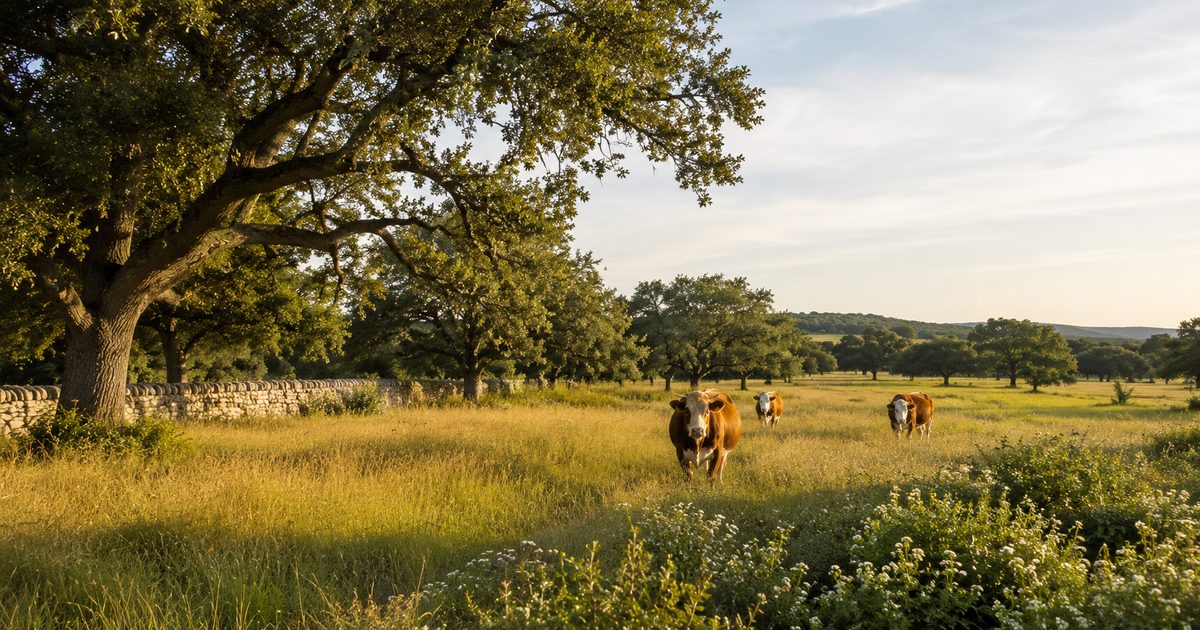
- Working cattle operation — open pasture, good fencing, reliable water, carrying capacity per acre, lease or owner-operator use
- Future homesite — utility access, road quality, soil type for a septic system, well potential, building restrictions
- Investment / land banking — location relative to growth corridors, exemption status, long-term hold potential
Knowing your intended use lets Joe target the right properties and ask the right questions on your behalf from the beginning.
Understand What's Priced Into the Land
In Blanco County, land isn't priced purely on acreage. Buyers who approach the market on a per-acre basis often miss why two neighboring tracts at the same price point are not the same value. The following factors move price significantly:
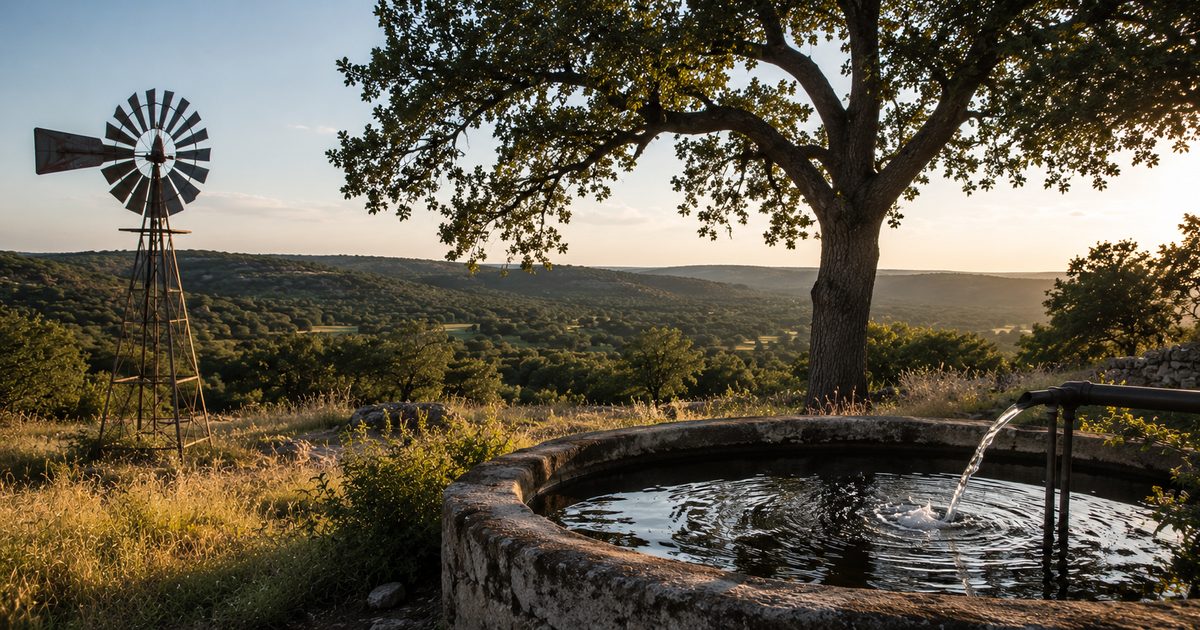
- Water — a property with a productive well and year-round creek access is worth considerably more than one with a marginal well and a seasonal stock tank
- Improvements — a good barn, working fencing, a livable cabin, or an established road system all have real value
- Road access — legal deeded access vs. a private easement vs. a landlocked tract are not equivalent
- Ag exemption status — an active exemption in good standing reduces annual tax liability dramatically and transfers real value to the buyer
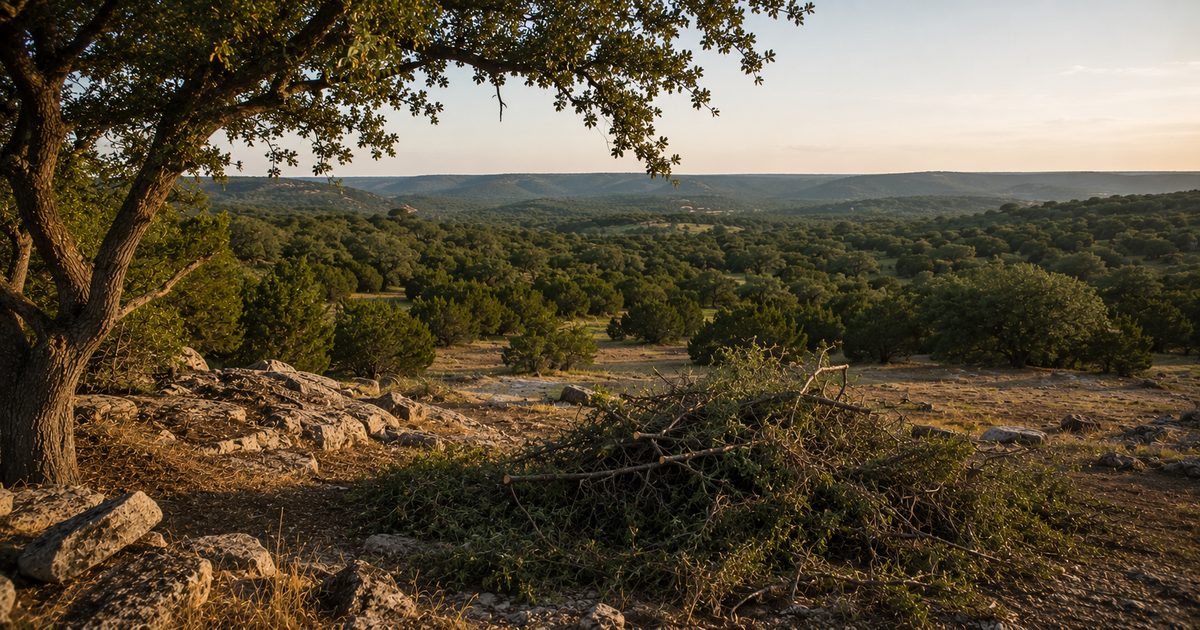
- Terrain — usable open pasture vs. cedar-choked draws changes the carrying capacity and functional utility of the land substantially
Due Diligence Is Your Responsibility
Texas real estate law places significant responsibility on the buyer to investigate a property's condition. Unlike residential transactions, there is no standard disclosure form for rural land that covers all relevant issues. Your due diligence period is the window to find what you need to know — and to walk away or renegotiate if you find something you didn't expect.
Key due diligence items for a Hill Country land purchase:
- Survey — confirm boundaries, identify easements, note encroachments
- Title commitment — review exceptions, mineral reservations, deed restrictions, and any clouds on title
- Water well records — request the TCEQ well log; have the well tested for output and quality
- Ag exemption verification — confirm the exemption is current and understand the qualifying use
- Access verification — confirm deeded road access in the title; don't rely on verbal representations
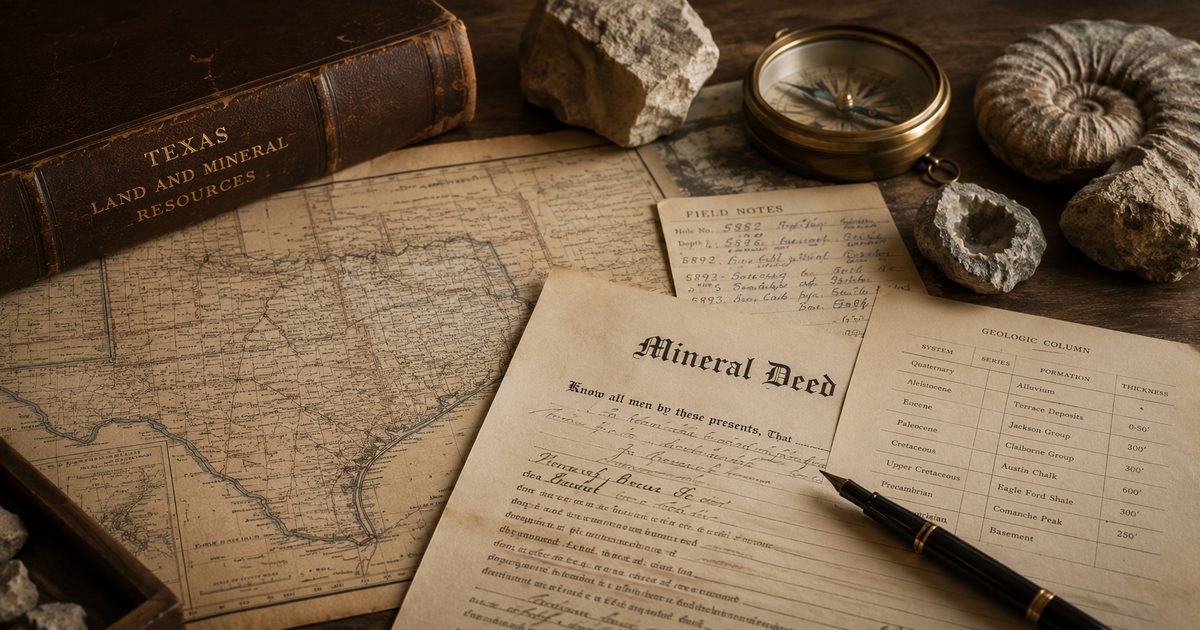
- Mineral estate status — understand what minerals have been severed or reserved and whether there are active leases
- Flood plain review — check FEMA maps for flood zone status, especially on creek or river tracts
The Timeline Is Different
Land transactions in rural Texas typically take 30–60 days from executed contract to close, though complex deals can take longer. The title process on rural tracts involves more title work than a standard residential closing — mineral chain-of-title searches, easement research, and survey review all take time.
Don't expect the pace of a residential transaction. Plan for it, and use the time to do thorough due diligence rather than rushing to close.
Work With Someone Who Knows the Land
A licensed real estate agent can write a contract on a piece of land anywhere in Texas. That's not the same as having a specialist who knows Blanco County — who knows which sellers have been sitting on a property too long, which road has a drainage issue that floods every spring, which well driller is reliable, and which title company handles rural transactions efficiently.
Joe Quinonez lives and works in the Texas Hill Country, specializing in ranches, recreational properties, waterfront tracts, and investment land across the Hill Country and Central Texas. With more than 10 years of experience built alongside broker Rodney Topper, that depth of local knowledge is the most practical advantage he brings to a buyer navigating this market for the first time.