The Basics

Selling Land Isn’t Selling a House

Most sellers have sold a house before. Selling rural land or a ranch is a different process — the buyer pool is smaller and more specialized, financing takes longer, and the things that make a property valuable (water, access, exemption status, improvements) aren’t always obvious from photos.

This guide walks through what actually moves a land sale in Blanco and Gillespie County — from pricing through closing. It's the same process Joe walks every seller through before a property goes to market.

Step 01

What’s My Land Worth?

Land value in the Hill Country doesn't come from a generic per-acre average for the county. Two 50-acre tracts a mile apart can be worth very different amounts depending on water, access, terrain, and exemption status.

What actually drives value: comparable recent sales of genuinely similar land — not just any sale in the county — plus water (wells, springs, creek frontage), legal road access, usable acreage versus heavy cedar cover, and whether an ag or wildlife exemption is active and transferable.

Joe provides sellers a comparative market analysis built from real, comparable transactions in Blanco and Gillespie County — not an automated estimate. If you're not sure what your property is worth, that's the first conversation to have, before any pricing decision. See what ranch land actually costs per acre in the Hill Country for current market ranges.

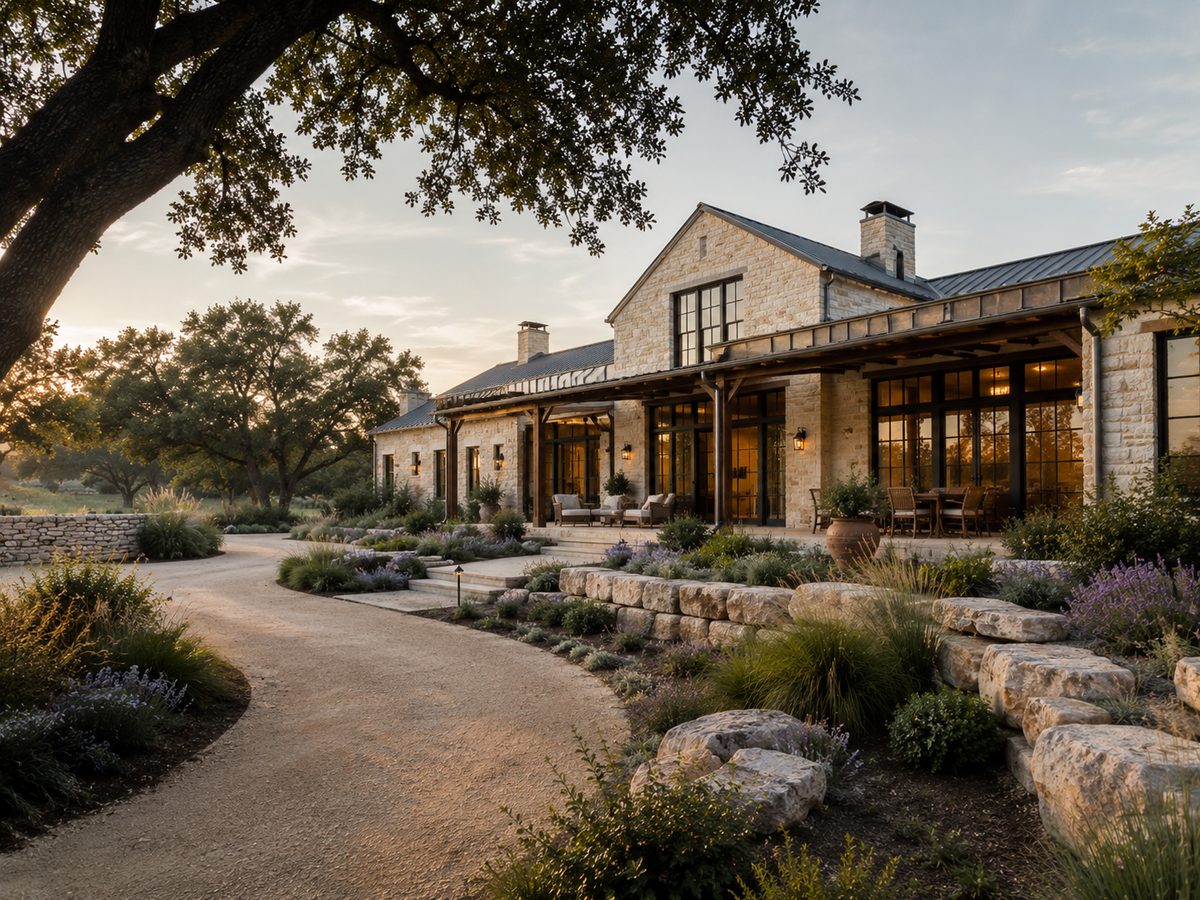
Well-maintained ranch property exterior in the Texas Hill Country
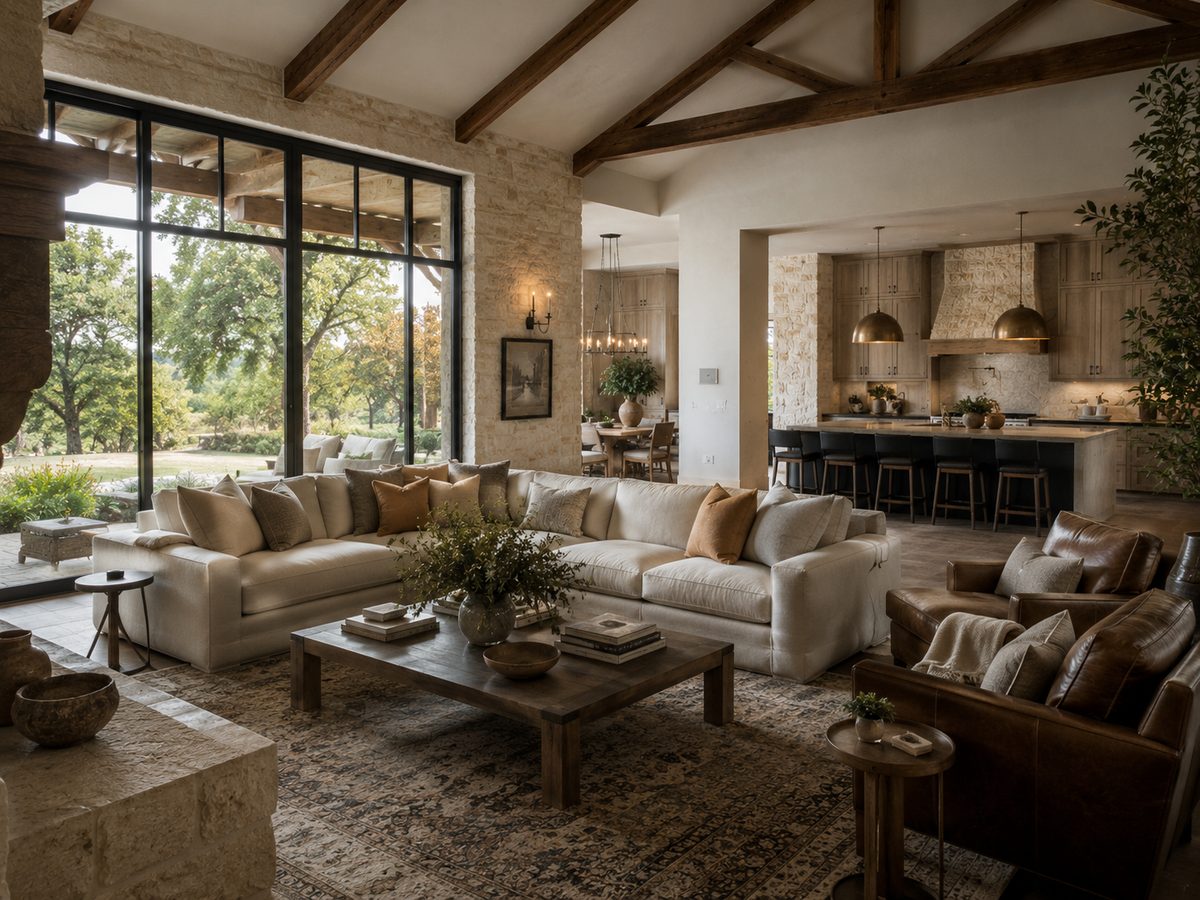
Interior of a Hill Country ranch home prepared for sale

Step 02

Preparing Your Land for Sale

You generally don't stage raw land the way you'd stage a house — but the paperwork you have ready matters just as much as curb appeal does for a home. Buyers doing due diligence move faster, and negotiate less aggressively, when a seller can produce documentation immediately instead of scrambling mid-contract.

Have ready before you list: a current boundary survey, well logs and a recent water test, septic permit records, documentation of any easements, and clarity on mineral rights ownership.

If the property has an active ag or wildlife exemption, gather the appraisal district paperwork — buyers ask about this early, and having it ready signals a well-managed property.

Step 03

Pricing Your Land

Overpricing rural land is one of the most common — and most costly — mistakes sellers make. Land that sits overpriced for months develops a reputation in a small buyer pool, and eventually sells for less than a correctly priced listing would have.

Joe prices land based on recent comparable sales, current buyer demand in Blanco and Gillespie County, and the specific characteristics of your property — not a formula. The goal is a price that reflects true market value and moves the property, not a number chosen to make a seller feel good for the first thirty days on market.

Step 04

Marketing Your Property

Land buyers don't shop the way home buyers do. Many serious buyers for Hill Country ranch and acreage never see a public listing at all — they hear about a property through an agent's network before it's widely marketed.

Joe markets land through a combination of professional photography and aerial imagery, targeted outreach to buyers and agents actively searching Blanco and Gillespie County, and the MLS and syndicated listing sites — reaching both the buyer scrolling online and the buyer who's been waiting for a call.

Step 05

Understanding & Negotiating Offers

Land offers are negotiated around more than price. Due diligence contingencies, survey and title objections, financing terms — many land buyers use Farm Credit or USDA financing, which runs on a different timeline than a conventional mortgage — and sometimes seller financing all come into play.

Joe evaluates every offer on its full terms, not just the headline price, and negotiates accordingly — flagging financing risk, unusual contingencies, or a closing timeline that doesn't work before you're locked into a contract that looks good on paper but falls apart at week six.

Step 06

Closing the Sale

Texas land transactions close through a title company. Expect the process to take longer than a residential sale — commonly 45 to 75 days from executed contract, driven by survey review, title work, and buyer financing timelines.

Joe stays involved through the closing table, coordinating with the title company, the buyer's agent, and — if the property carries an ag or wildlife exemption — making sure the paperwork for a smooth transfer is handled correctly so there are no surprises for either side after closing.

Selling With an Exemption

Selling With an Ag or Wildlife Exemption

If your property carries an active agricultural exemption or wildlife management exemption, it's a genuine selling point — it signals lower carrying costs and established, productive land use to a buyer. It's not automatic, though: the buyer must apply to continue the exemption after closing, and it's worth being upfront about the property's exemption history.

Sellers should also understand rollback tax exposure — the liability that can trigger if agricultural use is discontinued — so there are no surprises during negotiations if a buyer's intended use differs from the property's current one.

Thinking About Selling?

Let’s talk about what your land is worth and what selling it would actually look like — no pressure, no pitch.

Looking to buy instead of sell? See the Hill Country Land Guide for what to know before you buy.

Have Questions?

Frequently Asked Questions

Common questions Joe hears from landowners considering a sale in the Texas Hill Country.

How do I find out what my land is worth in Blanco County?

Land value is driven by comparable sales, water, road access, ag or wildlife exemption status, terrain, and improvements — not a single per-acre number. Joe provides a comparative market analysis based on recent, genuinely comparable land sales in the immediate area.

Does an ag or wildlife exemption affect what I can sell my land for?

An active exemption is a selling point — it signals lower carrying costs and established land use. Sellers should also understand rollback tax exposure if a buyer intends to change land use after closing.

What should I do to prepare rural land before listing it?

Have a current survey, well logs and water test results, septic permit records, and documentation of easements or mineral reservations ready. Buyers move faster — and negotiate less aggressively — when a seller can produce this immediately.

How long does it take to sell ranch land in Texas?

Commonly 45 to 75 days from executed contract to closing, driven by survey review, title work, and buyer financing timelines. Time on market before an offer varies by price point and property quality.

Should I get a survey before selling my land?

Yes — a current boundary survey is one of the highest-leverage things a seller can have ready. Buyers and lenders increasingly expect one, and having it in hand before you list avoids a mid-contract delay.

How are offers negotiated on ranch and land sales?

Around price, but also due diligence contingencies, survey and title objections, closing timeline, and sometimes seller financing terms. An agent who understands land-specific negotiation typically nets a better outcome than one working from residential comparables alone.