What People Mean by "Ag Exemption"
The term "ag exemption" is used loosely in Texas real estate conversations — and it causes confusion. Technically, there is no property tax exemption for agricultural land. What exists is an agricultural special valuation (sometimes called an "open-space valuation"), established under the Texas Constitution.
The distinction matters: instead of eliminating your tax bill, the special valuation changes the basis on which your land is taxed. Rather than being taxed on its market value — what a buyer would pay — qualifying land is taxed on its productive agricultural value, which reflects what the land could generate through agricultural use.
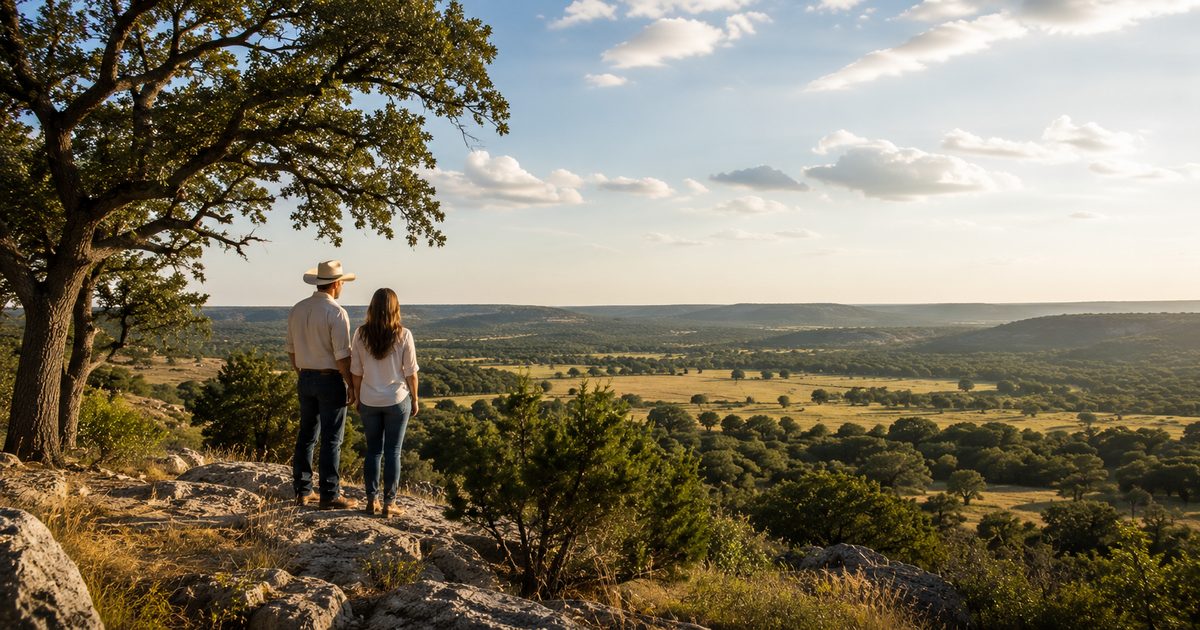
In Blanco County, where land values have increased significantly over the past decade, this difference can be dramatic. A 100-acre tract with a market value of $1.5 million might carry a productive value of $80,000–$150,000. The tax liability on those two figures is not comparable.
What Qualifies in Blanco County
To qualify for agricultural special valuation in Texas, land must have been used for agriculture for at least five of the preceding seven years. Qualifying uses in Blanco County typically include:
- Livestock grazing — cattle, goats, sheep, or horses at a stocking rate appropriate for the land's carrying capacity
- Hay production — cutting and baling native or improved pasture grasses
- Beekeeping — a relatively accessible path to qualifying smaller tracts; Texas has specific minimum acreage and hive requirements by county
- Orchard or crop production — less common in Blanco County but qualifying under the statute
- Wildlife management — discussed separately below
The Blanco County Appraisal District (BCAD) determines whether a given use meets the standard. Applications are due by April 30 of the tax year. Stocking rates, lease agreements, and documented agricultural activity all factor into the review.
The Wildlife Management Exemption
Texas allows landowners who previously qualified for agricultural valuation to maintain that valuation through active wildlife management. This is not a separate exemption — it's a continuation of the ag valuation via a different qualifying use.
To qualify, the land must have been under ag valuation in the year immediately preceding the switch to wildlife management. Qualifying activities include:
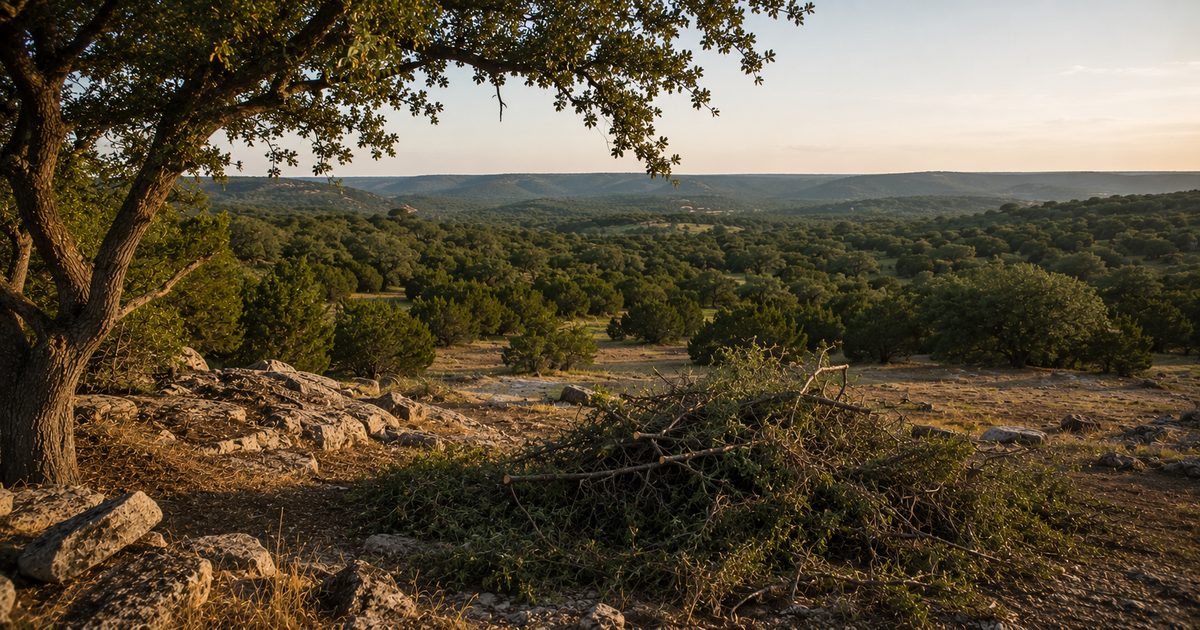
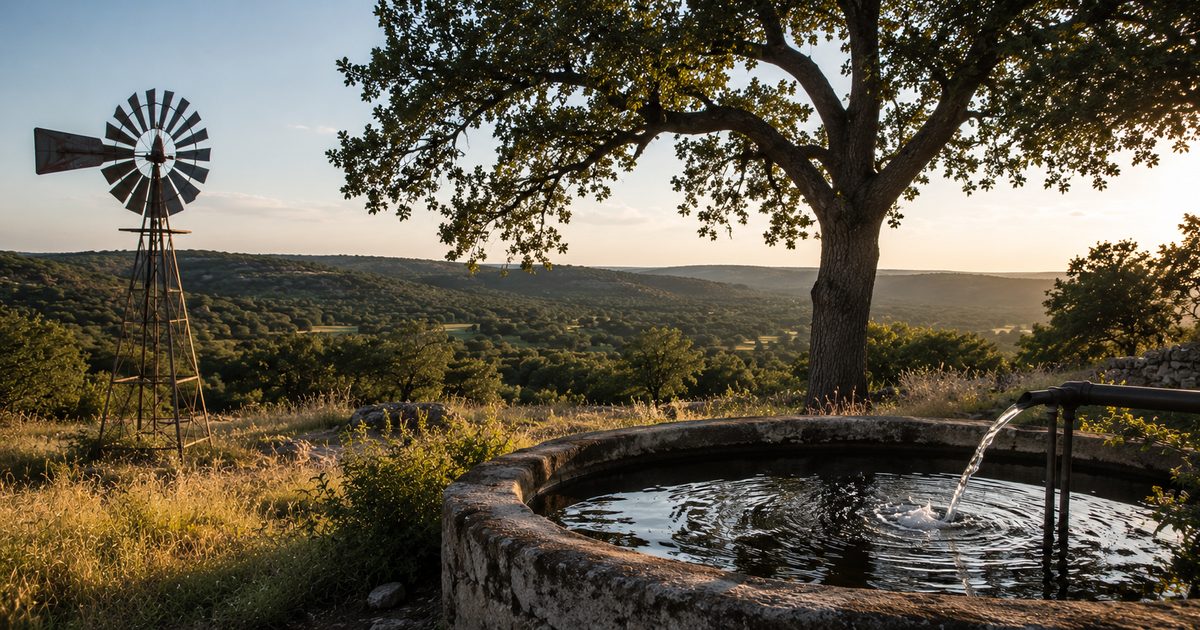
- Habitat control (brush management, water development)
- Erosion control
- Predator management
- Providing supplemental water or food
- Conducting annual wildlife census activities
The wildlife exemption does not require hunting, and it does not require public access. It requires documentation of active management practices and annual reporting to the appraisal district.
Rollback Taxes: The Risk You Must Understand
If land under agricultural special valuation is converted to a non-qualifying use — residential development, commercial use, or simply discontinuing the agricultural activity — the new owner becomes liable for a rollback tax.
The rollback is calculated as the difference between taxes paid under the special valuation and what would have been owed at market value, for each of the five preceding years, plus 7% interest per year on each year's difference.
On a high-value tract with a large gap between productive and market value, this number can be substantial. Buyers should understand the rollback exposure on any property they're considering — both as a financial risk and as context for their intended use.
What to Verify Before You Buy
When evaluating a property with an active ag or wildlife exemption, Joe recommends confirming the following during due diligence:
- Is the exemption current with the Blanco County Appraisal District? Request documentation.
- What is the qualifying use? Is it ongoing? Who is performing it — the owner or a lessee?
- Is there an agricultural lease in place? If so, what are its terms, and does it survive the sale?
- What is the calculated rollback liability if the use changes?
- For wildlife exemptions: what documentation exists for the management plan and annual activities?
These questions don't need to derail a deal — they're standard due diligence. But they need to be asked before you close, not after.
If you're on the other side of this — selling a property with an active exemption — see Selling With an Ag or Wildlife Exemption for what to disclose and how it affects your sale.