
What the Wildlife Management Exemption Actually Is
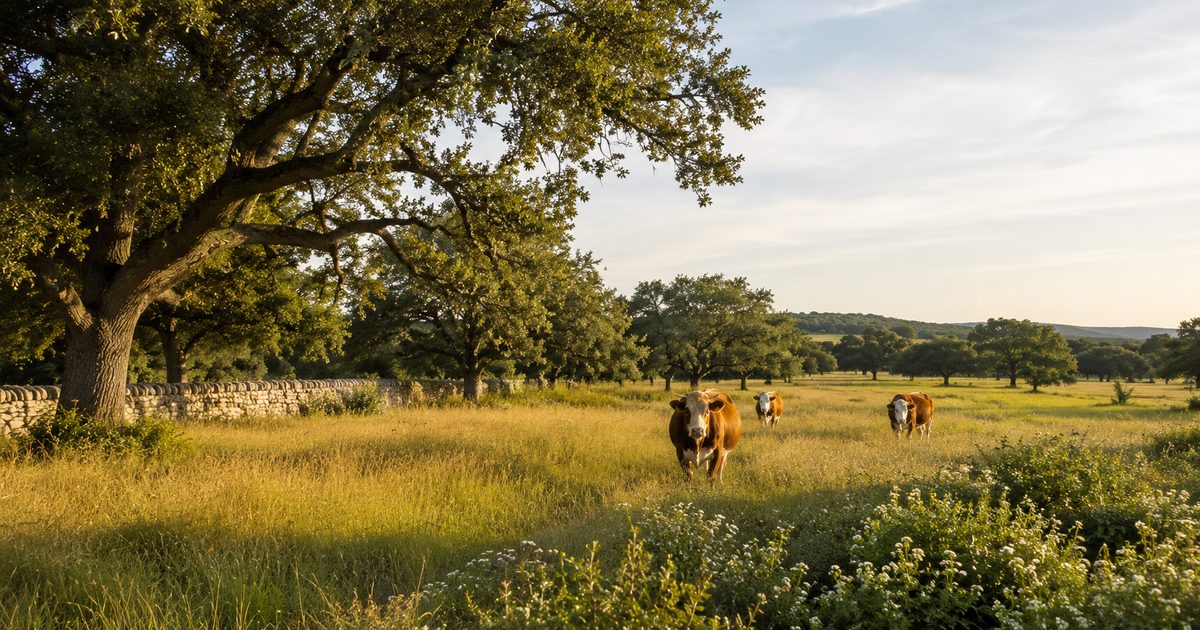
The wildlife management exemption is not a separate exemption from the ag exemption — it is the same agricultural special valuation under Texas Tax Code Section 23.51, applied through a different qualifying use. Instead of livestock grazing, hay production, or beekeeping, the land is taxed at its productive value because it is actively managed for native wildlife.
The practical effect is identical: the land is assessed at a fraction of its market value for property tax purposes. On a 100-acre tract in Blanco County worth $1.2 million at market value, that difference can mean a property tax bill of $1,200–$2,000 per year instead of $18,000–$24,000. The savings are substantial and compound over time.
What the wildlife management path offers that traditional ag use doesn't is flexibility. No livestock to feed, no hay to cut, no equipment to maintain. The land works for wildlife, and the documentation is a manageable annual process.
The Key Requirement: Existing Ag Valuation
This is the most important thing buyers need to understand: you cannot convert raw land to wildlife management status from scratch. The land must already have an active agricultural special valuation before you can convert it to wildlife management use.
For buyers, this means:
- If you're purchasing a property that already has an ag exemption, you may be able to convert it to wildlife management after closing — check with the county appraisal district on their timeline and documentation requirements
- If you're purchasing land without any ag valuation, you'll need to establish agricultural use first (typically through livestock, hay, or beekeeping) for a period of time before converting to wildlife management
- If the seller has let the ag exemption lapse, you'll need to re-establish it before conversion is possible
Always confirm the property's current exemption status — and its history — as part of due diligence before closing.
The Seven Recognized Wildlife Management Practices
Texas Parks and Wildlife Department (TPWD) recognizes seven categories of practice that qualify under the wildlife management exemption. Landowners must actively implement at least three of these on their property:
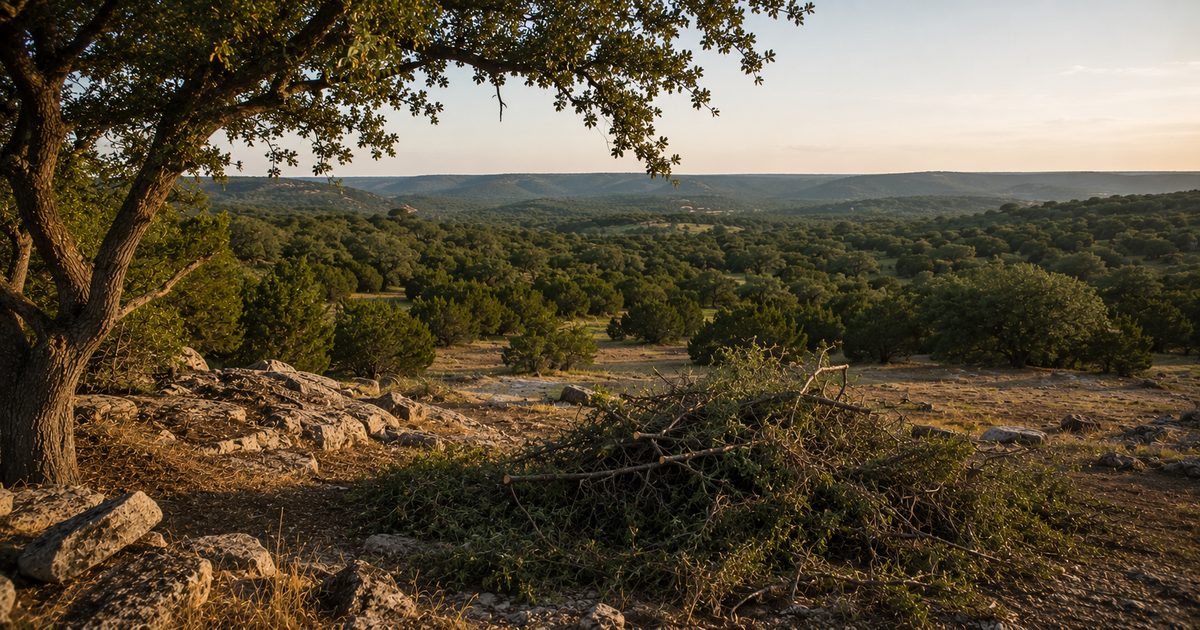
- 1. Habitat control — managing vegetation to support native wildlife. In the Hill Country, this commonly means cedar clearing, native grass restoration, brush management, or prescribed burns. This is often the easiest practice to document because it produces visible, measurable change on the land.
- 2. Erosion control — practices that reduce soil loss and protect creek and drainage areas. Contour terracing, brush dams on gullies, or revegetation of bare slopes qualify. Especially relevant on properties with limestone terrain and seasonal drainage.
- 3. Predator management — active reduction of predator populations to protect game species. Coyote trapping and removal is the most common implementation in Blanco County. Must be documented with trap logs or removal records.
- 4. Providing supplemental water — installing and maintaining water sources for wildlife. Deer drinkers, stock tanks managed for wildlife access, or water developments specifically designed for game qualify. Solar-powered water systems and guzzlers are common.
- 5. Providing supplemental food — planting food plots or maintaining protein feeders and corn feeders for native wildlife. Food plots of native grasses, forbs, or oats are common. Feeder programs must be actively maintained and documented.
- 6. Providing shelter — creating or maintaining brush piles, nesting boxes, or habitat features that provide cover for wildlife. Native brush left along fence lines, established cedar breaks retained as thermal cover, or installed nesting structures qualify.
- 7. Conducting census counts — annual game counts that document the wildlife population on the property. Camera surveys (trail cameras), spotlight counts, helicopter surveys, or strip transect surveys all qualify. The census requirement is what most appraisal districts focus on when reviewing annual reports.
What a Wildlife Management Plan Requires
Most county appraisal districts in Texas require a Wildlife Management Plan as part of the application or annual review. This is a written document that describes:
- The property — location, acreage, terrain, existing habitat features
- Native wildlife species present on the land (deer, turkey, dove, quail, non-game species)
- The three or more management practices you are implementing
- Specific activities planned for the current year
- Goals for the wildlife management program
Texas Parks and Wildlife Department provides a standard plan template and the Form 1-d-1 Wildlife annual report at tpwd.texas.gov. Private wildlife biologists can also prepare a plan for a fee — typically $300–$800 depending on property size and the biologist's rates. TPWD private lands biologists will review your plan and provide a free letter of recommendation, which most appraisal districts accept.
The Annual Documentation Requirement
Unlike a traditional ag exemption — where you show the land is being used for agriculture and the appraisal district broadly accepts it year to year — the wildlife management exemption requires annual reporting. Each year, typically by April 30, you submit a Wildlife Management Annual Report to the county appraisal district documenting the practices you implemented in the prior year.
Documentation should include:
- Trail camera photos with dates and locations
- Receipts for feeders, water systems, or food plot seed
- Logs of predator trapping activity
- Photos of cedar clearing or habitat work
- Any wildlife biologist correspondence or site visit records
Appraisal districts audit these reports at varying intensity. Blanco County tends to be reasonable if you're clearly doing the work — but documentation gaps have cost landowners their exemption status, so keep records throughout the year, not just at reporting time.
Minimum Acreage in Blanco County
Texas does not set a statewide minimum acreage for wildlife management exemptions. Each county appraisal district sets its own standards. In Blanco County, properties of 10 acres or more that previously held ag valuation can generally qualify if the management plan is credible and the practices are actively implemented. Very small tracts — under 5 acres — are rarely approved and the appraisal district will scrutinize the application closely.
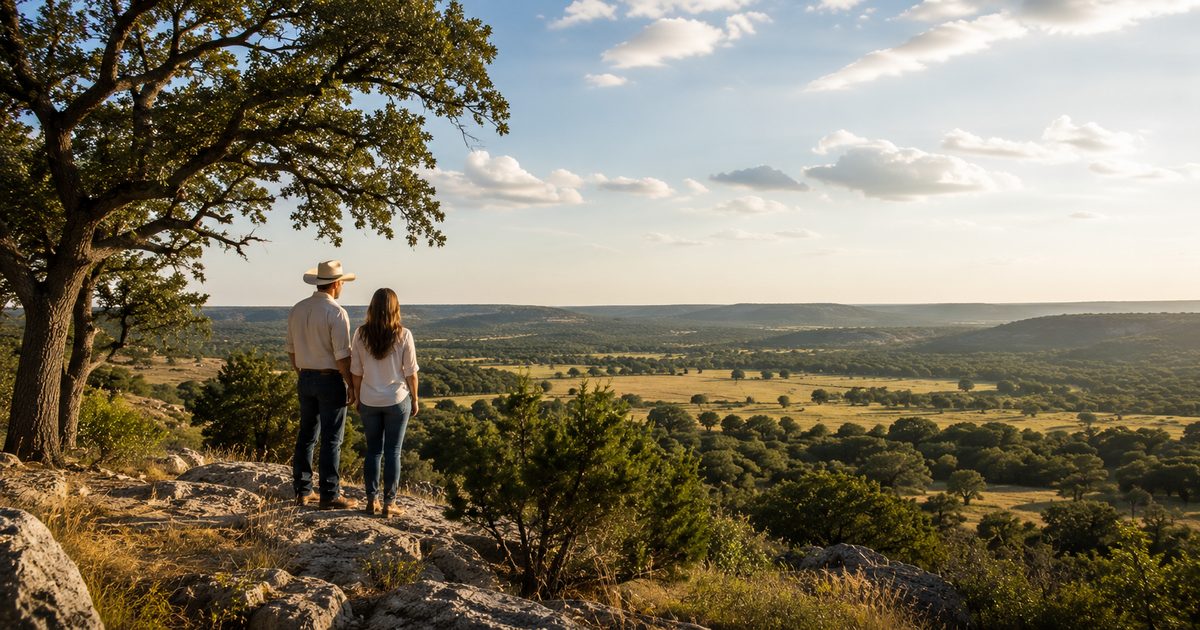
Larger properties (50 acres+) with diverse habitat — creek drainages, cedar-oak mosaics, native grassland — are the strongest candidates for wildlife management exemptions because the habitat complexity supports meaningful management activity.
What Buyers Should Verify Before Closing
If you're purchasing a property currently under wildlife management exemption:
- Confirm the exemption is active and current with the Blanco County Appraisal District — ask for written confirmation
- Request the last three years of annual reports filed by the seller
- Ask about the Wildlife Management Plan — does one exist, and who prepared it?
- Understand that the exemption does not transfer automatically — you will need to apply in your own name after closing
- Factor rollback tax exposure into your purchase analysis — if you cannot maintain the exemption, five years of rollback taxes will be due
Also confirm whether the property has existing wildlife infrastructure in place: feeders, water systems, game cameras, food plots. Buying a property with established wildlife management infrastructure makes maintaining the exemption much easier in the first year of ownership.
Wildlife Management vs. Ag Exemption: Which Is Better?
Neither is universally better — the right choice depends on what you plan to do with the land.
Wildlife management is the better fit if: you don't want livestock, you're managing the land primarily for hunting or recreational use, or you want to lease for hunting without the operational demands of a working ranch.
Ag exemption is the better fit if: you're running cattle, horses, or other livestock anyway; you're producing hay; or you have beehives. In that case, the ag use is already happening and the exemption documentation is straightforward.
Some landowners run a hybrid approach — minimal cattle or a few beehives to anchor the ag use, with wildlife management practices layered in. This is a reasonable strategy if you want to hedge, though it adds operational complexity. Discuss the tradeoffs with a wildlife biologist and your tax advisor before committing to either path.
Selling a property under wildlife management exemption? See Selling With an Ag or Wildlife Exemption for what buyers will ask and how to prepare.