Why This Checklist Exists
Every item below has its own dedicated article on this site, written in more depth than this checklist provides. What's missing, until now, has been a single place that lists everything together, in a sensible order, so a buyer under contract can work through it methodically instead of discovering gaps one at a time.
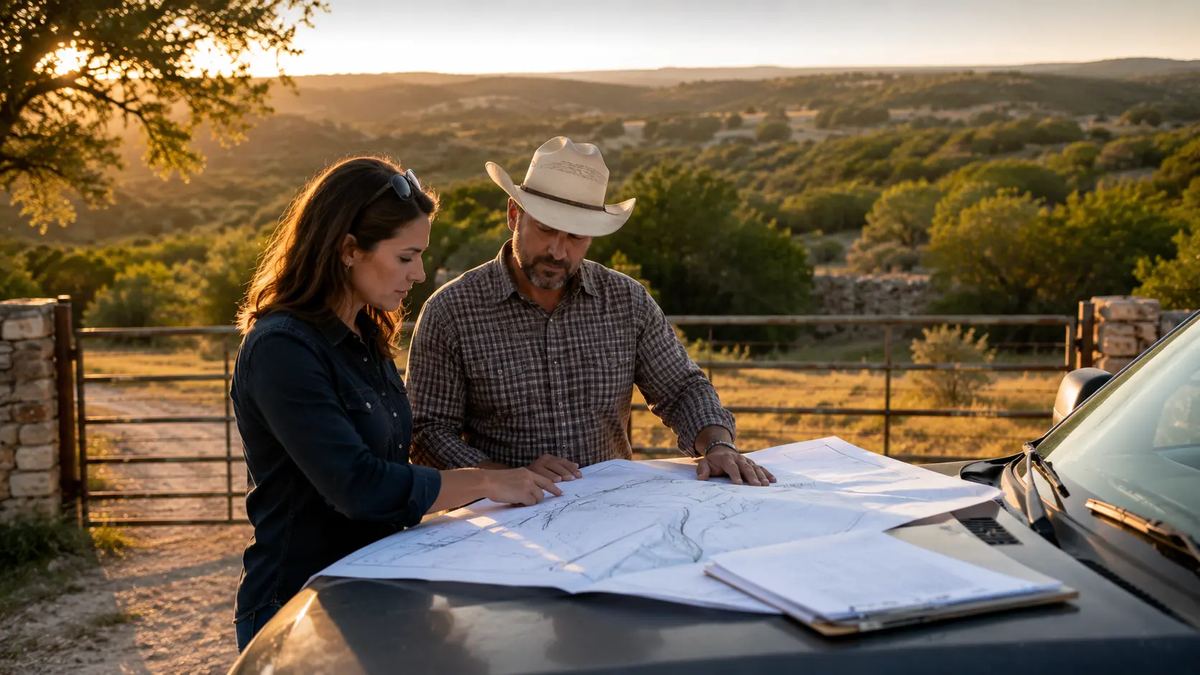
This is written for someone who already has a property under contract, or is close to making an offer, and wants to know exactly what to verify before the option period runs out. It is not a substitute for the deeper articles linked throughout — it's the map that tells you which of those articles to read, and when.
Before You Sign: What to Ask During Showings
Some due diligence starts before you're even under contract. Ask the seller or listing agent directly:
- Is there a current survey? How old is it?
- Is the property under an ag or wildlife exemption? Since when?
- Does the property have a water well? What's the yield, and is there a well log?
- Is road access deeded, or is it an easement?
- Are mineral rights included in the sale, or have they been severed?
Answers here won't replace verification, but they tell you where the risk likely sits before you write an offer.
Week One of Your Option Period: Order the Slow Items First
The moment you're under contract, order the two things that take the longest to come back — before doing anything else.
1. Order the Boundary Survey
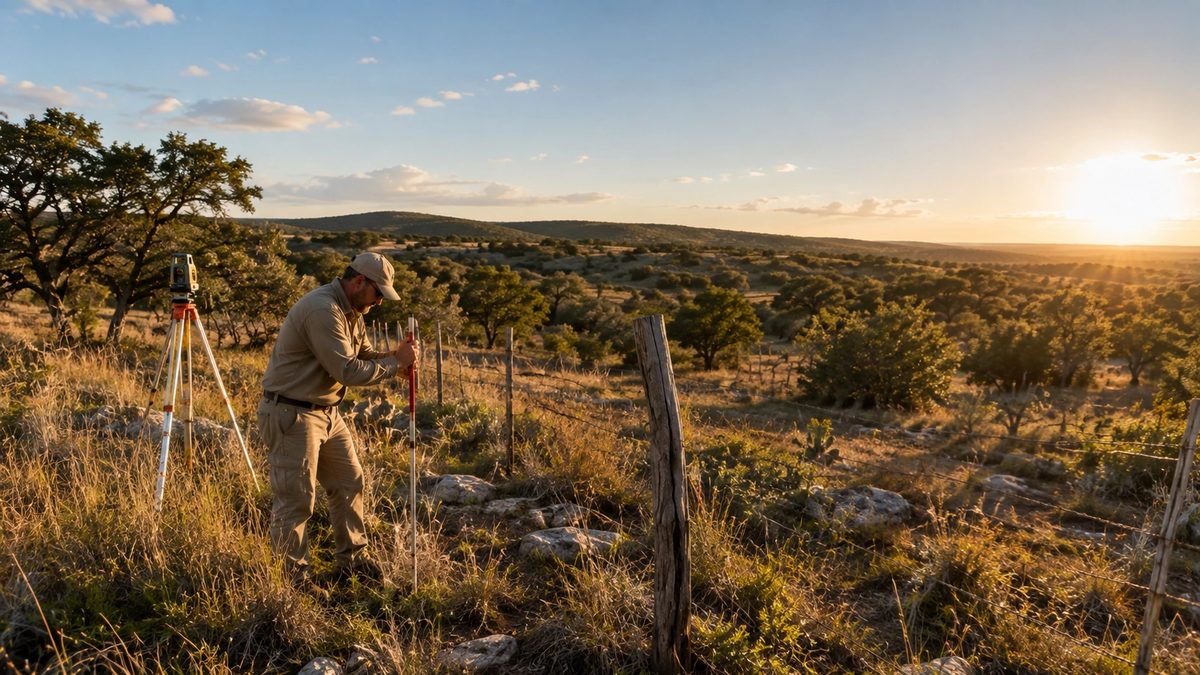
A current survey confirms the property's legal corners, acreage, and whether the deed description matches physical reality. Rural Texas surveyors are consistently backlogged; ordering on day one, not day twenty, is the single highest-leverage move in the entire process. See Land Surveys on Rural Texas Property for what a survey shows, what it costs, and how to read the results.
2. Request the Title Commitment
Your title company will produce a title commitment showing the chain of ownership, any liens, recorded easements, and — critically for rural land — whether mineral rights are included or have been severed from the surface estate. Read it in full; don't just skim the summary page. See Mineral Rights in Texas for how the surface and mineral estates work and what to look for.
Verify Water — Wells, Yield, and Quality
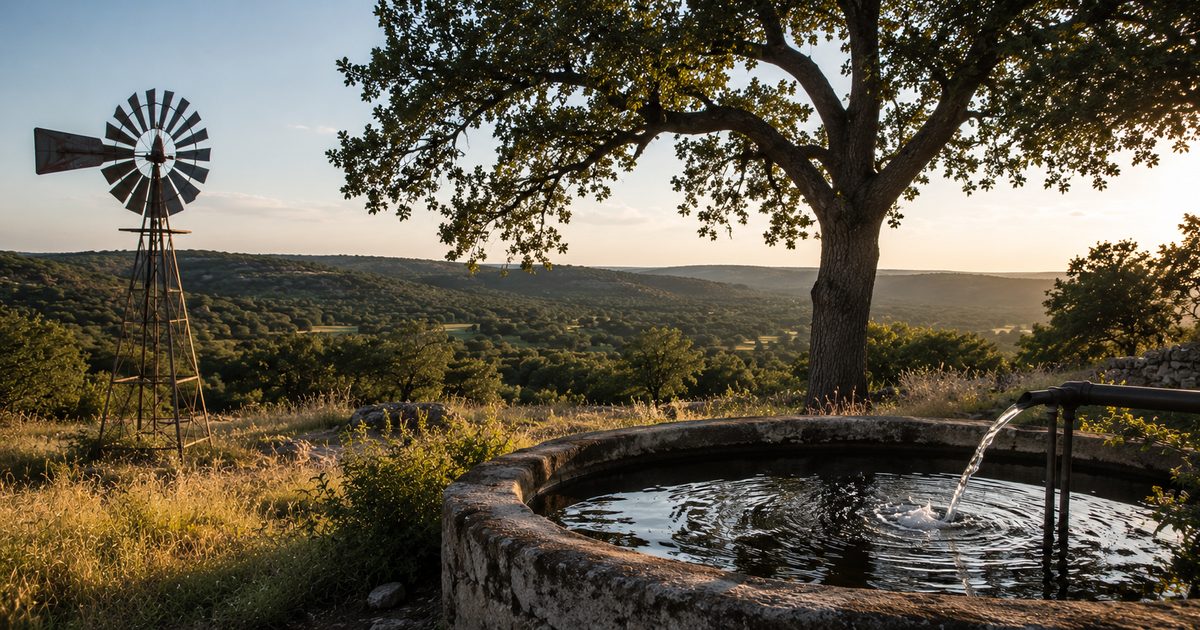
Water is the single factor most likely to determine whether a Hill Country property is usable at all. If there's an existing well, request the well log, confirm the static water level and yield in gallons per minute, and order a current water quality test — not one from several years ago. If there's no well, get a cost estimate for drilling in that specific area before you assume it's a minor line item. See Water Wells in the Hill Country for how to read the numbers.
Confirm Legal Road Access
Deeded access and a handshake easement are not the same thing, and the difference only matters once you own the property and a neighbor changes their mind. Confirm whether access is recorded, whether the easement language covers your intended use (including construction vehicles if you plan to build), and who is responsible for road maintenance. See Road Access on Rural Texas Land for how to verify this before you close.
Check the Ag or Wildlife Exemption Status
If the property carries an agricultural or wildlife management exemption, confirm it's active and current with the county appraisal district, understand what qualifying use is being performed and by whom, and calculate the rollback tax exposure if you intend to change that use after closing. The exemption does not transfer automatically — you'll need to reapply in your own name. See Ag Exemptions in Blanco County and the Wildlife Management Exemption for the specifics of each.
Inspect Septic and Confirm Utilities
Rural Texas properties have no city sewer — verify any existing septic system's permit, type, and condition, or run a soil percolation test on raw land to confirm what type of system the site can support. Separately, confirm whether electric service (typically Pedernales Electric Cooperative in this region) already reaches the property or would require a costly line extension, and check cell and internet coverage at the actual building site, not just at the road. See Septic Systems on Rural Texas Land and Electricity and Utilities on Rural Texas Land.
Walk the Fences and Assess Cedar Cover
Fencing condition affects both livestock-carrying capacity and where your actual usable boundary lines are in practice — a fence built years ago in the wrong place can create a real dispute with a neighbor. Heavy cedar cover reduces grazing capacity and land value, and clearing it is a real cost to budget for if the property needs it. See Fencing on Texas Rural Land and Cedar Clearing for what to look for and what it costs.
If You're Financing: Confirm Your Lender's Timeline
Most rural land buyers use Farm Credit lenders or USDA programs rather than a conventional mortgage, and these move on a different — often slower — timeline than a home loan, commonly 45 to 75 days from contract to closing. Confirm your lender's specific requirements (they may require their own ALTA survey standard, for example) early enough that financing doesn't become the reason your option period runs out before due diligence is complete. See Financing Ranch Land in Texas.
Sanity-Check the Price
Once you've verified the property's actual condition — water, access, exemption status, usable acreage — compare the price against genuinely comparable recent sales, not a county-wide average. Due diligence findings often change what a fair price actually is; a property with a weak well or unclear access should price differently than one without those issues. See How Much Does Ranch Land Cost Per Acre for what actually drives value.
The Full Checklist at a Glance
- Boundary survey ordered on day one of the option period
- Title commitment requested and read in full, including mineral rights status
- Water well log requested; current water quality test ordered
- Road access confirmed as deeded, not a handshake easement
- Ag or wildlife exemption status confirmed with the county appraisal district
- Rollback tax exposure calculated if intended use will change
- Septic system inspected, or perk test ordered on raw land
- Electric service confirmed at the property, or extension cost estimated
- Cell and internet coverage tested at the actual building site
- Fence lines walked and condition assessed
- Cedar cover assessed if clearing will be needed
- Financing timeline confirmed against the option period length
- Price re-evaluated against comparable sales once findings are in